Showing posts with label real food. Show all posts

Monday, July 18, 2016

first impressions: north east arnhem land

After a mere 10 hours driving from Katherine, 700 kms of the drive on red dirt avoiding pot holes, sandy bogs and jagged rock we arrived in Arnhem Land.

For 11 years I've been hearing about Arnhem Land and Peter's Yolgnu family who live here.

Finally we are here together with our own children.

Pete is working with a Yolngu Grandmother here who takes care of her community through a healing program, taking young at-risk Yolngu out to homelands for support and healing.

We are based in Nhulunbuy the mining town set up here on the Gove Peninsula in the late 60's when Rio Tinto started mining bauxite for aluminium.

From Nhulunbuy we go out bush with Pete for him to do his work.

The coastline and landscape is postcard perfect except when the mine and refinery come into view, the mined red earth and the imposing refinery buildings and silos look like something out of a sci fi film dropped from the sky.

It is hard to fathom what it must have been like here in the 60's before the mine arrived and even harder to imagine what it must have been like when Rio Tinto made their mining 'deal' with the Traditional Owners of this land.

I don't even feel like I am in Australia anymore. It is a place of its own here.

We are remote in many senses.

Food comes in on a barge from Darwin once a week. Once the supermarket runs out of something for the week that's it. I was told on one of my first visits to the shops "Sorry, no bananas until next week".

But then there's Nature's 'supermarket' where real food is plentiful if you know where to look and how to catch it.

On our first trip out bush we ate the most spectacular mud crab, speared in the mangroves by a Yolgnu friend and cooked on the beach by his mother. "From the mangrove, to the fire, to your mouth," she said laughing as she handed Sol and I a crab claw to share.

There was no sense of time that day on the beach until the sun started to set, "We need to get back to camp before its dark, so they can collect gapu (water) from the creek" our Grandmother friend said looking up the beach for her son and husband who had gone fishing with River and Pete.

As dusk settled around us on the beach I began to worry about baru (crocodile). I looked up the beach nervously hoping to see the hunters walking back. I noticed Grandmother and her daughter-in-law did not take their eyes off the sandy point in the distance where the men had gone hunting, they too seemed to be willing them to walk back into view soon.

Within minutes we could see them walking back towards us. No fish today. We were happy and grateful for the crab. Grandmother gave the other crab claw to Peter and River to share and divided the body of the crab up for her and her husband, her son and daughter-in-law.

*********

I shared this story on my facebook page, it has been one of my favorite moments of the trip so far...

We went to meet Nandi Beth, Pete's Yolgnu mum. Nandi is the Yolgnu word for mother. Nandi Beth was spending a few days in hospital, nothing serious so we went to the hospital to meet her. Her delight and joy at seeing River and Sol for the first time was so lovely. She hugged them to her and smiled from her heart, then stood back and looked at the boys, "I get depressed when I come to hospital. Now you've made me happy". In the car when we left Sol said, "We look different but we have the same feelings. Grandmothers love to see grandchildren." They sure do. It was such an experience of universal love.

**********

There are challenges here. Divisions. Politics. Corruption.

There are wonders here. Songlines. Dreaming. Artistry. Family. Ceremony.

I hope you'll stick around to hear more.

Monday, May 20, 2013

apple, lemon, cinnamon and ginger quinoa porridge


This is my new favorite breakfast, so delicious. I couldn't wait to share it with you. The recipe came about because I am steering clear of oats for a while (I feel sooo sleepy right after I eat oats) but with the weather so crisp and cool here I wanted to eat porridge.

Quinoa was the answer. I looked around the kitchen for flavours to add and gathered lemon, ginger and cinnamon - all perfect winter medicine foods. Ginger and cinnamon for their warming properties, and I find anything with a lemony flavour to be so uplifting it is a great detoxifier.

Now, even though I said quinoa was the answer I have recently learned that for some quinoa is not that easy to digest. This was news to me! I was lucky enough to be invited to a cooking class at Feast Australia and it was there that Rachel van de Bosch chef and former naturopath shared with the class the dark side of quinoa. Quinoa is actually a seed not a grain that has a naturally occurring coating called saponin. Rachel explains, "It a bit of contentious issue, some saponins are good for you (help control cholesterol) and others can be mildly toxic, like thanes in quinoa.  Most suppliers would thoroughly wash them during processing, but just to be sure I always boil and strain my quinoa now rather than cooking by absorption. You will loose water soluble vitamins cooking this way but I make up for it with fresh veggies. The other option is to give it a good wash it under running water before cooking."

So while there is much to love about quinoa because of its versatility and its nutritional value containing essential amino acids, phosphorous, calcium, magnesium and iron perhaps if you have weak digestion it might be a good food to go easy on.

I enjoyed this breakfast on a rainy saturday morning while River and Sol played in their pyjamas til lunchtime and I drank a pot of good chai. All. To. Myself!

Apple, Lemon, Cinnamon and Ginger quinoa porridge

Ingredients

1/2 cup quinoa (I used tri-colour quinoa that I buy in the health section at my local supermarket)
1.5 cups of water
1 cinnamon quill
1/2 an apple
the zest of one small lemon
1/2 tsp grated fresh ginger

Wash the quinoa thoroughly.
Place all ingredients in a pot and bring to the boil.
Simmer until water is absorbed and quinoa is cooked (you can tell because you will see an outer ring and the centre will look translucent.)

Serve with your choice of milk and if you like it sweeter add some honey. Try it first before adding sweetener because the cinnamon gives it a lovely natural sweetness. I also added a few chopped walnuts once it was cooked. There are endless other flavours you could try. Write your favorites in the comments.

Happy monday xx

Monday, April 15, 2013

chocolate honey spice cake


Let's start the week with cake shall we? It had been a while since we'd done any baking but when Autumn's cooler weather arrived on the weekend River and Sol were asking "Can we bake a cake?" 

I didn't have a recipe in mind, I wanted to work with ingredients that were in the cupboard and this chocolate honey spice cake is what Sol and I came up with after I googled around for some ideas. While Sol and I measured ingredients, mixed and stirred the cake River opted to watch E.T. for the first time but was quick to appear when the bowl needing licking. How I remember crying my way through the end of that movie when I was 6.

I had to hold Sol back from eating the squares of butter as I cut them up, and felt continually nervous as I used the electric beater that he would attempt to dive his little fingers into the bowl to pinch another butter square. Ah, cooking with children it is messy and slow and satisfying.

Chocolate honey spice cake 

Ingredients

125g butter, diced
1/4 cup brown sugar
2 eggs
3/4 cup honey
1 1/2 cups self-raising flour (I used gluten free)
3 tablespoons cocoa powder
1/2 cup milk
1 tsp vanilla extract
1 heaped teaspoon ground cinnamon

Chocolate 'icing'

2 tablespoons cocoa powder
1/4 cup honey
2 tbsp hot water
1/2 cup icing sugar

For the cake:

Preheat oven to 180C
Grease and line a small rectangular or round baking dish/cake tin (or you could make cupcakes).
Beat butter and sugar until light and fluffy.
Beat in eggs one at a time, stir in vanilla.
Beat in honey until smooth.
Fold in flour, cocoa and cinnamon.
Stir in milk until smooth.
Pour batter into prepared tin and bake for 20-30 minutes until edges are cooked and centre just springs back when you press on it. It is better to take it out a little early than overcook and have a dry cake.

For the icing

I began this mixture wanting to avoid using the icing sugar so I mixed the honey, cocoa and water together to make a sort of sauce but the cocoa was a bit overpowering so I decided to add some icing sugar just enough to keep the sauce consistency. It is quite sweet and not something I would make all the time but once every now and again is ok in my book.

You could add garam masala to the cake if you wanted to increase the spicyness.

A friend arrived just as this was coming out of the oven, with the help of my three chocolate cake lovers and our guest there wasn't much left by the time he departed. I managed to whisk a piece away into the fridge for River's lunch box. Chocolate cake isn't a usual addition to River's school lunch but in his words "mum, we're celebrating the start of term 2".

Do you have an alternative to making icing with icing sugar? I'd love to hear. Happy back to school for those returning today. And happy holidays to those just beginning, I am envious! x

Tuesday, March 19, 2013

this week in my wholefood kitchen


"I love chicken soup" came the cry from Sol this morning when I placed a bowl before him to eat for breakfast. He devoured every last drop and then announced with a mixture of pride and surprise "I love carrots now!" Ordinarily he would do his best to drink the broth and leave the carrot in the bowl. Not an easy task.

The chicken soup for breakfast was for River's benefit as he is fending off a change of season cold. I didn't manage to whip the camera out this morning to photograph the soup but as you can see there are a series of photos above that I am hoping will give you a couple of inspired ideas for simple yet delicious real food options to enjoy with your family.

My whole aim with keeping this blog is to celebrate wholefood and show that eating well is easy with a little planning. Posting recipes regularly though is not my strong point. It occurred to me though that even just a series of photos or a list of meal and snack ideas can be enough to help when inspiration is low.

Sunday night we were very lucky to have calamari, mashed potato and ratatouille. I say very lucky because the calamari was fresh, Pete caught it in the bay. I sliced it into strips rolled it in flour and cooked it in butter. Pete made the ratatouille with eggplants and onions from our local farm and tomatoes and herbs from our garden. The calamari, mash and ratatouille was a memorable combination. I didn't photograph that meal either but wanted to share the idea.

Now, on to the photos.

1. Rice noodle salad. This was a classic case of "I have no idea what we are going to have for dinner tonight but whatever we're having, I am making it with ingredients we have". And those ingredients were: rice paper noodles, avocado, cherry tomatoes, mixed lettuce leaves, carrots cut into small dice, basil from garden, tuna and olives. Dressed with olive oil and apple cider vinegar. The dressing might sound a little curious but as I said I was going with what was on hand and that was the combination I felt like, you could definitely be more adventurous.

2. Classic anzac biscuits. I made these as part of a meal hamper I put together for a school mama and her family, the mama has recently given birth to a beautiful little girl her third baby and I wholeheartedly believe in cooking for new mamas. In fact, any reason I can find to cook for people I'll take. New baby, moving house, sick children, sick dog. You get the picture. The joy for me yes is in the cooking but also the giving, I love giving presents and in this case it is more than the food it is the gift of time, the gift of not having to wash pots and pans. 

Speaking of giving, my friend Robin heard River was not well and messaged me offering to drop in carrots, celery, onions and thyme from her farm so I could make broth. I just love how we mamas find ways to support each other and how once we are on a wholefood path we connect with wholefood friends who know and value all the riches real food have to offer.

3. Spinach and fetta pie. Along with a garden salad, the pie was the main part of the new mama hamper. When I delivered it to my friend at school pick up she said, "It has been so nice today not having to think about what to cook for dinner." The thinking and deciding is often the hardest part!

4. This pretty as a flower squash arrived home with Pete from a friend's veggie garden. The basil leaves are from our garden and were waiting to be added to a salad.

5. We are about to harvest our remaining cherry tomatoes for this season. I love the process of growing vegetables of being as excited as a child, to see the tiny signs of first fruits appearing on the bush and then when the first fruit begin to ripen and then moving (hopefully) into an abundant crop where you can hardly bear to look at another tomato, and then tapering off to see the crop finish and savouring the last fruits as at the beginning of the cycle, as if they were gold. If you never grow food, you can never know the feeling of witnessing this cycle up close...back to the salad pictured...cherry tomatoes from our garden were halved and tossed into a bowl of mixed lettuce leaves, along with avocado, garlic chives, spring onions, red capsicum, green capsicum, and snow peas. It was a delicious salad that we enjoyed with organic beef schnitzel from Cherry Tree Organics.

The rest of the week will see more chicken soup, a spinach pie for us, whiting and salad and perhaps some dahl.

What's happening in your kitchen?

Thursday, November 08, 2012

mamabake

Imagine having a weeks worth of home-cooked, nutritious, made with love dinners prepared ahead of cranky, hungry children o'clock. Couple that with the fact you had fun making said dinners with your girlfriends while your children played together. This is happening in kitchens all around the world thanks to a couple of smart thinking Aussie mums.

If you are familiar with the fun loving, big batch cooking Mamabake ladies you will know what I'm talking about. As their tagline says Mamabake is - "liberating mothers across the world through group big batch baking."

It all started with a gift of lasagne from one mama to another. That gift equalled more than a nutritious meal that Michelle Shearer didn't have to cook, it equalled something that is gold to all mothers - TIME TO HERSELF. 

Michelle writes on the Mamabake blog about receiving the lasagne and gaining time to surf:

"That got me thinking about sharing the domestic burden and sharing chores.  But, we couldn’t share everything, that would be too huge.  But we could take on one chore and share that.  Cooking. And so MamaBake was born."
So how does Mamabake work?
A group (generally 4-6 mamas but can be any number) of mamas come together and each cook a big batch meal that is then divided up so that everyone leaves with enough of each meal to feed their family.
(note handstand extraordinaire in the background)
For the bargain price of $4.95 you can buy a Mamabake Big Batch recipe ebook that includes not only big batch dinner recipes but lunch box ideas too for a week's worth of not thinking about what to put in school lunches. Yay for that.

Check out their site here  or go on over and like them on facebook and you'll be rewarded with an entertaining and informative stream of Mamabake goodness. If you sign up to become a Mamabake member you have the chance to win a holiday for 4 to Bali.

All sounds good to me!

Monday, September 17, 2012

here we go round the mulberry bush

Each morning Pete and the boys wander down to the mulberry bush in David's garden and have fun spotting the ripe berries to pick for breakfast. Along with strawberries and blueberries from the farmer's markets, beautiful berries are plentiful. My thoughts moved from breakfast to dessert and making a berry frangipane became a priority. 


I adapted this from Matt Moran's recipe

Berry frangipane

Berries of your choice at least two punnets
1/2 cup berry jam of your choice, heated

Pastry
This quantity will make enough for a 25cm tart.

3 cups white spelt flour
2 tbsp rapadura sugar
185g butter, chilled and finely cubed
1 egg yolk
3 tbsp chilled water

Pastry can be made in a food processor, I don't have one so I make it by hand and enjoy doing so. Using your fingertips rub the butter into flour and sugar until it resembles fine breadcrumbs. Then make a well in the centre and using a butter knife 'cut' the egg yolk into the 'crumbs' and then add the water a tablespoon at a time and 'cut' that into the pastry until begins to clump together. If it still looks too dry and crumbly add a splash more water until it comes together soft and pliable into a ball, taking care not to overwork it though.

Most pastry recipes recommend refrigerating the pastry at this point for an hour to relax the gluten so that when you roll it out it doesn't shrink back like a piece of elastic. There is less gluten in spelt flour than wheat so I don't bother with resting and it works out fine.

On a floured surface roll pastry out 3-4mm thickness, round enough to cover the base and sides of the dish you are using. Tip: once you have rolled out your circle, to get the pastry from the bench to the dish, place your rolling pin at one edge of the pastry and gently lift the pastry off the bench and wrap it towards the rolling pin rolling it back towards you like you are rolling up a sheet of paper around a tube. I learnt this from my great-grandmother and perhaps you already do it too, but a friend watched me use this technique recently and said, "oh that's how you do it without breaking it!"so I though it is worth sharing.

Grease the dish you are using and place pastry in and trim excess off edges. Place in the fridge while you prepare the filling.

Frangipane
185 grams butter cubed
3/4 cup rapadura sugar (because rapadura sugar is brown the tart will have more of a golden colour than one made with white sugar)
3 eggs
2 cups almond meal
1 tsp vanilla extract

Preheat oven to 180C.

Using electric beaters, cream butter and sugar until fluffy. Add eggs one at a time and beat until mixed in. Fold in almond meal and vanilla extract.

Gently heat jam until runny and then brush over pastry base until covered.

Pour in frangipane mixture and spread to edges.

Gently arrange berries on top pressing them lightly into the mixture.

Bake for 30-35 minutes until golden and completely cooked.

Remove from the oven and brush with remaining warmed jam.

Serve with whipped cream or custard and toasted almond flakes.

spring into spring:  time to tackle your children's collections of clothes and shoes. I am enjoying being away from home with very limited clothing options for all of us. Less really is more! So, go to it. Pull out every item of clothing and pairs of shoes your children own and only keep clothes that fit and are in good shape. Goodbye stained, torn, tight items. Sort remaining clothes into piles of t shirts, shorts, singlets, pants and so on. This way you can clearly see what items you are low on or have way too many of - 15 t shirts? 3 jackets? Less clutter, less choices makes for a smoother start to the day and clothes are easier to find.

Monday, August 06, 2012

what is wholefood anyway?


The word 'wholefood' conjures up a comical image for me, of a person attempting to put an apple or carrot or banana in their mouth - whole. Well, of course that is not what defines wholefood.

Wholefood is food that is unprocessed and unrefined, it is fully in tact or close to being fully in tact, as it is found in nature containing all of its naturally occurring goodness in the form of vitamins, minerals and fibre.

Wholefood does not necessarily mean organically grown. All fruit, vegetables, grains, legumes, fish, meat, eggs and non-homogenised dairy foods, conventionally farmed or organically grown, are wholefoods. Pete and I choose to only have organically grown food, for us and our boys, because we do not want to ingest chemicals and prefer to eat foods that have been grown in organically rich soil. Friends say, "But it is so expensive to only buy organic" to that I say, it is a question of priorities and values. Organic food is what we spend our money on over expensive haircuts, latest model cars, up to the minute fashion and so on. Sure, there are material things that I like but I am really health conscious and through Pete's environmental work I have become even more environmentally conscious and believe organic farming is best for people and planet.


For us, eating wholefoods is about more than the just foods we eat. It is a way of life, a philosophy, an attitude. We grow some of our food, the fruit and vegetables that we buy are bought at a farmgate from people we know by name, we are part of our local food co-op where we buy our grains and legumes, we have a local goats farm and cheesery we buy their cheese, we enjoy chatting to the naturopaths at our local health food shop, we do not follow a particular religion but we say a blessing with our children each night before we eat our dinner giving thanks for our food, for the people who grew it and the earth from which it came.


In the times that we live in, where many people are 'time poor' and stressed, consumption of 'convenience' foods has increased. Convenience foods are not wholefoods, they are processed to reduce the amount of cooking time required and often contain high amounts of sugar, salt and saturated fat. These foods are filling but they are not nourishing. With the increased consumption of these sorts of foods, so too has the incidence of dietary related diseases such as heart disease, diabetes, obesity and some forms of cancer risen.


In her cookbook WholefoodAustralian wholefood chef, cooking teacher and cookbook author Jude Blereau writes:

"Processed and refined ingredients are fundamentally, incompatible with our bodies." p.20 (Murdoch Books, Australia, 2006)


I think it is true to say the majority of people want to be healthy and happy. I think it is also true to say that the majority of people underestimate the impact of the food they eat on their physical, mental and emotional health and that the challenge for people in developed countries where there is an oversupply of processed food and powerful advertising to sell it, the challenge for people is to find and follow their own path to nutrition and wellness through the food they choose to eat.

If you are just starting out making changes to the foods you and your family eat, yay for you and welcome to this space I hope it is helpful. I believe every person's path with food is an evolving one and my aim in this space is to create a supportive community of people interested in wholefood living and health to share thoughts, experiences and tips to make the journey rich and fun.

One of the best places to start learning about wholefoods and wholefood cooking, besides online, is books. I have already mentioned Jude Blereau who had written three fantastic wholefood cookbooks with a fourth due for release next year, I highly recommend Jude's books for their excellent information from setting up a wholefood pantry to cooking techniques and of course wonderful recipes.

Possibly the most comprehensive book written on wholefoods and health is Paul Pitchford's, Healing with Wholefoods: Asian Traditions and Modern Nutrition. If you really want to delve deep on this topic seek this book out. I love the way Paul writes about wholefoods as a 'biologic remedy', this is from his website: 

"There is a near-consensus among health authorities that whole, unrefined foods represent a fundamental truth in support of individual health and well-being. The whole foods movement is a common sense approach that is quietly extending through all economies and social classes to overcome the madness resulting from highly processed, refined, genetically modified, and synthetic (non-) foods that have turned modern societies into centers of degenerative disease. At the end of the day, wholesome foods are destined to be a biologic remedy that, in concert with organic farming and plant medicine, has the capacity to heal the Earth and her peoples."

Thanks for reading. This was a lengthy one. I'll finish by inviting you to sign up for emails, leave a comment, share where you are at, or what you would like to read more of here. The Wholefood Mama community is growing and I am looking forward to writing more and hopefully converting more and more people to the wholefood, whole health way of life. Happy Monday x


Friday, July 27, 2012

globesity: fat's new frontier


Watching babies drink coca cola from the bottle is not easy viewing but if you missed Foreign Correspondent's special on global obesity and want to witness the damage processed foods coupled with powerful marketing are doing in some of the world's developing countries you can watch the episode here.

Viewing the program strengthened my commitment to eating wholefoods and my resolve to grow this blog and do anything and everything I can to spread the word about wholefoods, to inspire people to eat well, to treasure their health and to campaign to change the world one bite at a time.

Don't even get me started on the Olympic sponsorship by unmentionable fast food company and already mentioned soft drink company. Really. The gods must sit back and laugh at human stupidity.

Not my usual sunny way to finish the week I know but it had to be said. And there's more to say but I'll leave that for next week.

For now my thoughts turn to putting the finishing touches on gifts and treasures for River's birthday celebration this weekend as he turns six. I wish you all a happy weekend. I hope it is nourishing in every sense of the word. x

Monday, July 23, 2012

green is good


I drank my first green smoothie probably three years ago during one of our winters in Byron Bay. I was hooked on the sweet and cleansing drink from the first one. And I was thrilled that River liked them too. Getting green vegetables into children just became easy. I don't usually drink them in winter but Jodi's post about green monster juice reminded me of how good they are and I couldn't wait until Spring!

The smoothie pictured above is a 'cheat's' version that I blended last night when we arrived home from the first of the celebrations for River who turns six next sunday. We had spent the day at my aunt's with extended family, we had lots of fun playing in the winter sun and enjoyed ample birthday food including kangaroo pies and of course birthday cake. No one felt like dinner. Pete had a pot of ginger tea while River and I had green smoothie and played with his birthday games. (Sol fell asleep at 5.30pm in the car on the way home and I put him straight into bed when we arrived home. So yes I have been awake with him since 5.30am today :) joy)

I say the smoothie is a cheat's version because I used coconut water that is mixed with banana and instead of fossicking around in the vegie garden in the dark looking for leafy greens, I put in two heaped spoons of Supergreens powder (spirulina, barley grass, chlorella and wheat grass) and whizzed it in the blender. Dinner was served.

If you want to read up on the goodness of green smoothies I recommend Victoria Boutenko's inspiring and informative book Green for Life. You can visit her site here.

Happy Monday to you all x

ps for those who noticed my photo update on the right there it shows my new 'accidental' hair cut from shoulder length to crop top! I had a bad haircut at a hairdresser and Pete then 'fixed' it for me. He did a better job than the hairdresser. Fortunately my hair grows fast :) Thanks aunty Karen for taking the photo in your fabulous magenta bathroom.

Tuesday, May 22, 2012

i'll be with you in the squeezing of a lemon

This post marks the beginning of an occasional series looking at a particular ingredient or flavour. First up is a humble yet versatile essential: lemon. The zest, rind, juice, oil, whole or sliced, preserved or fresh imagine cooking without lemon?

"I'll be with you in the squeezing of a lemon" is a line from a play written by Irish author Oliver Goldsmith. It is also the title given to a mini collection of writings and recipes by lauded British food writer Elizabeth David, in the book David laments the absence of lemons from kitchens during the war years:

"Without a lemon to squeeze on to fried or grilled fish, no lemon juice to sharpen the flatness of dried pulses - the red lentils, the split peas - which in those days loomed so largely in our daily diet, no lemon juice to help out the stringy ewe-mutton and the ancient boiling fowls of the time, no lemon juice for pancakes, no peel to grate into cake mixtures and puddings, we felt frustrated every time we opened a cookery book or picked up a mixing bowl...There are indeed times when a lemon as a seasoning seems second only in importance to salt." (pages 79-80)

A bowl of lemons is a permanent fixture on my kitchen bench, and a lemon tree is a quintessential part of an Australian backyard (that said, we don't actually have one in our backyard! our steady supply of lemons come from friends, family and local road side stalls set up with an honesty box to pay).

Here's are some of the ways I use lemon:

I start each day with a liver-cleansing glass of fresh lemon juice and warm water.

Sliced lemon slid beneath the skin of chicken before roasting provides a wonderful flavour and aroma, the lemon slices are as delicious to eat as the chicken.

I baked lemon tart on the weekend using this straight-forward recipe. It takes a bit of time but it is easy really it is!

Lemon wedges are always on the table alongside the bounty of seafood my family is so lucky to enjoy - squid, whiting, flathead, salmon - thanks to Pete, and to our friend Simon who dives for prized scallops.

Green vegetables from our garden lightly stir-fried with garlic, then a squeeze of lemon juice are a favorite of mine. Is it a favorite of River and Sol's? Not so much but I'm working on it!

I was a latecomer to appreciating the fabulousness of preserved lemon but now there's no looking back. I have to confess I am yet to actually preserve some myself, but if they're not already part of your pantry seek them out. They elevate everyday recipes - soup, salad, tagines, casseroles, stuffing, pasta - to something memorable.

Lemon and dahl together are good company in my view.

What are your favorite ways with lemon? Do you have a prolific lemon tree?

Wednesday, May 02, 2012

snack on this

For many people making the switch to a wholefoods way of eating giving up highly processed snacks leaves them wondering if not biscuits and chips then what? Or perhaps you are bit further along in your wholefood ways and are tiring of hoummus and carrot sticks so today I thought I'd make it easy for you and give you 20 snack suggestions that will hopefully inspire you to snack well. On that note, 'snacking well' refers to morning and/or afternoon tea taking into account how active you and your family have been and whether you are actually hungry. Endless, mindless snacking means meals are often not eaten with gusto and you are in a constant state of being full rather than being in touch with hunger.

I think one of the first steps in changing the foods you eat is to shift your thinking to 'how is this nourishing me/my family?' compared to just filling tummies. The new aim is for the food you eat to be nutrient dense. And for the eating to be mindful.

Even when choosing a snack, consider the season. Here in Oz we are edging towards winter so fruits and raw foods are not the best choices as they are cooling to the body and require strong digestion. Cooked and warmer foods are better options in the cooler months. Todays list is a mix to give you ideas, take into account the season you are in and go from there.

And for any readers thinking my children will never eat that! Involve your children in the preparation and remember to be patient. Change takes time, you may have to present and re-present the same food and then one day your child will surprise you and enjoy eating it.

1. a bowl of homemade soup or miso
2. almond spread on corn thins, rice cakes or a slice of good bread toasted
3. mashed avocado on corn thins, rice cakes or a slice of good bread toasted with a squeeze of lemon and a sprinkle of grated carrot or alfalfa sprout.
4. buckwheat pancakes or pikelets with cinnamon and natural yoghurt
5. a small handful of trail mix - nuts, seeds, dried fruits
6. a hard boiled egg
7. seaweed sheets cut into strips (best for children 5 and over as they are a choking hazard if not chewed well)
8. homemade sushi
9. homemade rice paper rolls
10. air popped popcorn
11. homemade dips and a colourful array of veggie sticks
12. fruit smoothie
13. fruit lassi
14. seasonal fruit stewed with spices such as cinnamon, nutmeg and or cloves served warm with a dollop of natural yoghurt
15. natural yoghurt with a tablespoon of flaxseed oil and a sprinkling of seeds
16. caffeine free chai
17. fresh fruit (the laws of food combining recommend it is best to eat fruit on its own. so if you choose fruit as your snack don't then eat a slice of toast after it)
18. fresh dates
19. homemade cake, biscuit, rice pudding - if it is homemade you can control the sugar content and the quality of ingredients
20. antipasto - cheese, olives, roasted vegetables, good bread - (skip the traditional processed meats)

I'd love to hear your snack suggestions - so would my family!

While I'm here, I'd also like to share that the very lovely Zoe Saint-Paul who writes the Slow Mama blog interviewed me for her Living Slow series you can read it here.

Thanks for visiting.

Monday, April 02, 2012

good eggs


With Easter only days away and chocolate eggs on the minds of every child I know, I thought it timely to begin the week with a post on eggs. Good eggs from happy hens such as the ones in the photo above, those eggs are from our local organic farm. We buy them at the farm gate and visit the chickens who roam truly free range with lush grass to peck around in and organic feed to nourish them.

I understand the basic facts of supply + demand but still it is beyond my comprehension why people buy 'cage eggs'. I wonder if they were labelled 'from chickens in cages' with a photograph of the chooks living conditions on the box, a bit like the photos on packets of cigarettes, I wonder if then they would sell?

As for 'free-range' eggs, well still there is the problem of the very loose definition of what it is to roam free and whether the birds have endured mutilations such as beak trimming, toe trimming or de-snooding. On the Animal Welfare Labels website there is a useful guide to brands of free range eggs and the criteria of each brands definition of free range.

I've decided that part of my Easter gift giving will be to encourage anyone I know who buys cage eggs to encourage them to make the change and only buy eggs from farmers that look after their chickens well. Perhaps you too could convince friends or family to consider where the eggs they buy come from and do they really want to eat eggs from chickens in cages and support this farming practice?

Go on. Get cracking :) I couldn't resist.

Tuesday, March 20, 2012

raw milk


A number of my friends are members of covert raw milk buying groups. They bathe themselves and their children in the milk :) because they’re not legally allowed to drink it.

The only milk in my fridge is rice milk. A year ago the only milk I drank was soy. Fifteen years ago the only milk I drank was pasteurised homogenised cows’. I gave up cow’s milk and most dairy foods in my early twenties after a naturopath suggested quitting dairy as a way to end the series of debilitating sinus infections I was having. I haven’t had a sinus infection since. My raw milk drinking friends tell me pasteurisation kills enzymes, vitamins and beneficial bacteria. So, it is not milk they argue, that causes allergies but rather what is done to the milk.

(I can hear some readers asking ‘If you’ve given up dairy, what about calcium?’ The quick answer is I drink calcium fortified rice milk, and get calcium from other food sources such as tahini, natural yoghurt, parmesan, dark green leafy vegetables, nuts and almond spread).

What is raw milk?
Raw milk is real food, straight from the cow in its natural state, it has not been pasteurised or homogenised. The term raw milk makes me giggle a bit because I’ve not heard of anyone asking for a litre or two of cooked milk but basically that is what pasteurised milk is.

What is pasteurisation?
Pasteurisation is when milk is heated to approximately 72 degrees celcius for 15-20 seconds. The reason milk is treated in this way is to kill all disease-causing microbes.

What is homogenisation?
Basically homogenisation keeps the components of milk together. That is the cream, the fat, does not rise to the top as it did in an old-fashioned bottle of milk. 

So, regardless of how I explain pasteurisation and homogenisation, the bottom line is the milk sold today is processed. It is not natural food as it occurs in nature.

In his book The Untold Story of Milk – The History, Politics and Science of Nature’s perfect food: raw milk from pasture-fed cows American author and naturopath Ron Schmid tells a remarkably thorough story – 19 chapters, 407 pages - of how and why pasteurised homogenised milk sold today is stripped of nutrition and more than that is contributing to ill health of those who drink it. Chapters that stood out to me in this book are: 'Milk in the Lat Traditional Cultures', 'Lactose Intolerance and Modern Milk' and 'Raw Milk Today - Green Pastures, Contented Cows and Contentious Issues'. I came across this book at my local library. If this is a topic that interests you it is worth seeking out.

Another interesting aspect of this debate is that in Australia where it is illegal to sell raw milk for consumption, hundreds of tonnes of raw milk cheeses are imported into Australia from Europe each year. Where is the government support for our artisan cheesemakers?

Given that it is legal to eat raw meat, raw eggs and raw fish it seems curious to me that raw milk is singled out. Advocates of raw milk are not asking authorities to risk public health, they are promoting the  fact that milk in its natural state is nourishing in a way that pastuerised homogenised milk cannot be. 

This debate brings into clear focus the importance and power of knowing where food comes from, the conditions under which it is produced and the environmental significance of organic farming and buying locally produced food. 

Do you drink raw milk? What are your thoughts on the issue?

If you'd like to read more visit these links:

Monday, March 19, 2012

shop at CERES

Before making my seachange I lived in the heart of Melbourne, a hop and a skip from CERES Community Environment Park where it was a great pleasure to shop each Saturday morning for organic fruit and vegies and supreme sourdough bread. I miss shopping at CERES!

I'm writing about CERES today in a bid to help clear up the mud regarding the safety of the food grown and sold at CERES.

On March 4 in The Sunday Age, journalist Steve Holland reported that CERES was selling produce grown in lead contaminated soil. You can read the full story here. Information in that story has since been proven to be untrue. The damage though to the trust CERES has built with its community has been shaken and as a result CERES market is quieter and orders are down for their Fair Food organic delivery service.

The results of further testing carried out in January of this year shows no produce sold was contaminated.

An attempt to set the record straight and restore customer confidence was printed on March 11 in The Age written by journalist Mark Russell. This quote is taken from Russell's story:


Peter Brown, chief executive of Moreland City Council, which leases the Brunswick site to CERES, said a council investigation and Environment Protection Authority advice led the council to ''understand that the levels of contamination are similar to what is found in most suburban backyards''.
''The Department of Health has also examined the test results and has advised council that the produce poses no significant or immediate health risks or concerns.''

You can read the full story here.

Today I received an email containing a letter written by CERES Fair Food and Organic Farm Manager Chris Ennis. Chris details the facts and timeline of misinformation presented in the media and explains the direct impact being felt by CERES.  

You can read Chris' letter here.

If you have never been to CERES (and live close enough to do so) make the trip, it is well worth it and your support will be especially valued at this time. And if you are a long time fan or one who hasn't visited for a while now is the time to make the effort and get there. I live two hours drive from CERES but I have such fond memories of going there that I plan to make a trip I'll take with River and Sol this school holidays.

Show your support to CERES and forward this to family and friends who it would interest.

Thursday, December 15, 2011

break the farce


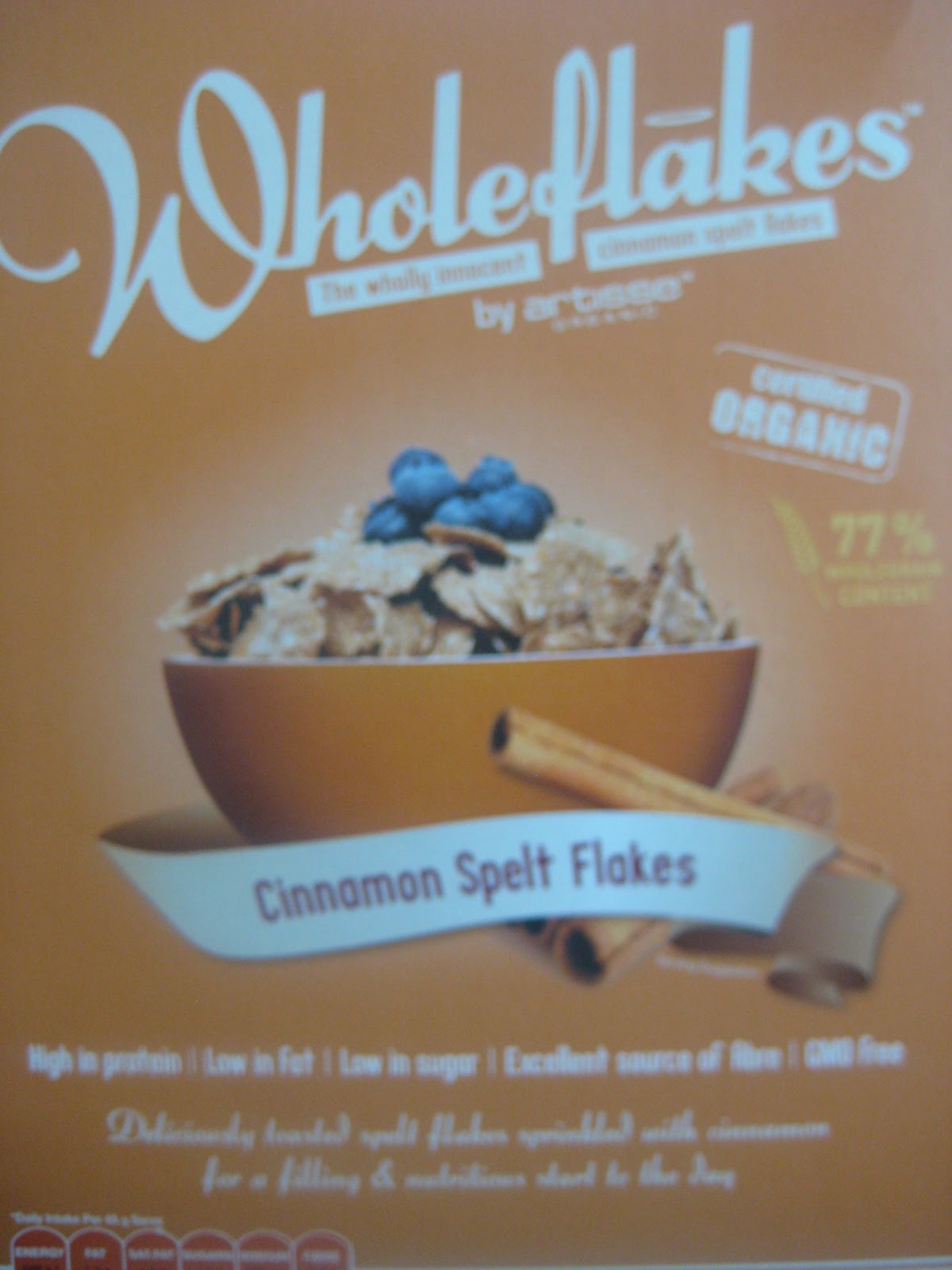
Finding a breakfast cereal free of sugar of any kind is almost impossible. Today I may have done the impossible. Artisse organic cinnamon spelt flakes do contain barley malt extract, however it is the second last ingredient listed instead of the second as is the case with most cereals containing sugar, and there is less than 1 gram of sugar in the whole 300g box (pictured below). I can live with that. I found this in the health food aisle of Coles supermarket. (Does anyone else find it curious that there is a health food aisle? What does that say about the rest of the food sold in supermarkets?)


There’s a lot riding on a nutritious breakfast, it sets you up – or down – for your day. Who really thinks eating sugar for breakfast is a good idea? I’d say no one but really most people opt for convenience over truth.

Food manufacturers push health claims on the front of the packet, while the truth is in the fine print, the ingredients label.

So, what to do?

Avoid buying packaged breakfast foods that goes for cereal, breakfast bars and breakfast drinks.

Instead, go for the whole grain – oats, quinoa, amaranth, brown rice – and make porridge. A TEASPOON of honey or maple syrup on a wholefood porridge is better than any packaged cereal.

Poached or boiled eggs on good quality bread are a good option.

Avocado with a squeeze of lemon juice on toast.

The weather is warming up here in Oz making fruit salad a good start to the day with some whole grain toast and nut spread.

If you do buy cereal look out for these words: maltodextrin, corn syrup, fructose, glucose, sorbitol, high fructose corn syrup, rice syrup, sucrose, maltose....to name a few other names for sugar. Not to forget maple syrup and honey.

While we’re at the breakfast table, so to speak, watch out for other high sugar hijackers like yoghurt and fruit juice. Much healthier to eat a piece of fruit than drink a juice. Real yoghurt does not contain sugar. Try natural yoghurt with no sugar and stir in some fresh fruit and if you must so the kids will eat it add a small spoon of honey. Sugar is addictive. If you are making changes remember you are weaning yourself and your family off something you have been consuming for years. It will take time and possibly a few tantrums but they will pass. If the sugar options are not in the house they can’t be eaten and they can’t be the trigger for a fuss.

For readers with new babies – congratulations! – I’d recommend not getting yourself into a situation where your child is demanding sugar by not introducing sugar to their diet right from the start. My two year old loves natural yoghurt because he has never eaten yoghurt with sugar in it – a very strong case of what they don’t know about can’t hurt them! 


I’d love to hear about your favorite real food breakfast.


Tuesday, November 08, 2011

REAL FOOD COOKING WITH JUDE BLEREAU


If you are yet to discover the joys of wholefood chef Jude Blereau’s philosophy and cookbooks it is my pleasure to introduce you. Jude’s cookbooks ‘Coming home to eat – wholefood for the family’ and ‘Wholefood for children – nourishing young children with whole and organic foods’ are on high rotation in my kitchen. Both are perfect for newcomers as well as deft hands at wholefood cooking. Jude’s writing makes every aspect of whole foods cooking seem possible even to readers who consider themselves ‘time poor’. From cooking your own nourishing stock to making natural yoghurt, the best-ever chocolate brownies to fabulous recipes incorporating grains that perhaps you had no idea how to prepare. In ‘Coming home to eat’ Jude writes about making the transition to a real food diet, “Without doubt, the best advice I can give you is this: expect the transition to take some time. It doesn’t happen overnight – I consider one to two years normal…It also takes a while before you fully understand the whole idea of real food, adjust your approach to meal preparation and cooking and work out your own shortcuts.” Before you even get to the recipes in these books, soak up the front and back sections  crammed with useful information about whole food ingredients. Jude's writing is inspiring, her tone is very encouraging and realistic about what people can achieve when making a change to whole foods or learning about new ingredients. If you have no idea what to stock in your whole foods pantry, have no idea what to do with kudzu, agar or arrowroot, or how long to soak dried black turtle beans the answers and many, many more are in these beautifully presented books. Go on over to Jude’s blog and see what I mean for yourself. You’ll read her passion for real food and even score a few free recipes. Do buy the books though, one or the other or both. Enjoy!

Friday, November 04, 2011

10 tips for making the switch to wholefoods


1. Go through your cupboards and pull out all the processed foods in packets, cans and jars. Read the labels look for numbers, look for how many times the words sugar, sucrose, maltodextrin appear. You have two options: throw them in the bin or if that feels wasteful take them back to your local supermarket that has a collection for foods to donate to charity.

2. For one week keep track of how often you eat out or buy take away and the cost. This is not about deprivation. I’m not saying never eat out I’m saying be conscious of what, where and who you are eating with. Then ask yourself at the end of the week was it worth it? Both financially and for your health and well-being. Part of the problem with eating out is that there is a culture of mediocrity out there in most cafes and restaurants, sub standard meals are tolerated by most consumers. Do not tolerate mediocrity.

3. Find out when your local farmers market is on and buy your fresh food for the week.

4. If you say time is a real issue for you go online and have your fresh food delivered.

5. With the money you save on not buying take away and eating out you can afford to buy organic food and cook at home.

6. When you cook, cook double the amount and then you will either have lunch or dinner for the next day.

7. This is not ideal but it is still better than take away food – stock your freezer with some real food meals that you can pull out before work and leave to defrost in the fridge then reheat on the stove or in the oven and serve with a salad. ‘Microwave’ is a dirty word. If you are going to eat real food, cook it and heat it with fire.

8. Attitude is everything. If you say cooking is a bore and a chore then it will be. If you change your attitude and enjoy the luxury of having fresh food and see preparing your own food as a way of nourishing yourself, your family and friends cooking becomes satisfying.

9. Enrol in a wholefoods cooking class. If you have the know-how, preparing real food can be quick and easy. Skill up.

10. Can’t afford cooking classes? Go to the library and borrow some books on wholefood cooking. Or find recipes online. See there’s nothing stopping you! Not time nor money J

If you have any tips I’d love to hear. Share your experience of switching to real food.
Related Posts Plugin for WordPress, Blogger...